


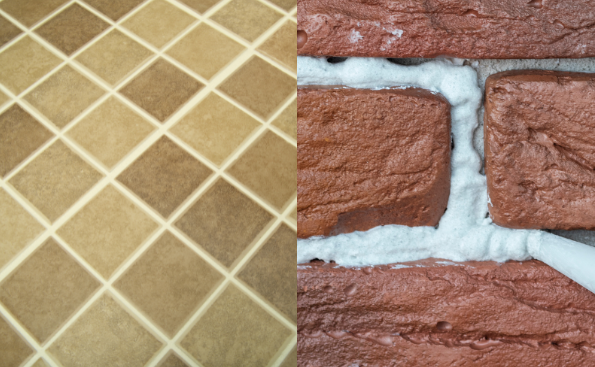
Choosing the right grout is essential for ensuring the durability, stability, and appearance of tiled surfaces. Various grout types offer different benefits, making it important to evaluate them based on their performance, application, and longevity. Among the available options, polyurethane grout has gained attention for its strength and flexibility. Understanding how it differs from other groups and how it interacts with a grout sealer can help in making an informed decision. This article explores polyurethane grout in comparison to other alternatives, assessing their strengths and limitations.
Polyurethane Grout: Durability and Flexibility
Polyurethane grout is a synthetic option that provides strong adhesion and flexibility, making it ideal for environments where movement and moisture exposure are concerns. Unlike cement-based alternatives, it does not shrink or crack over time, ensuring long-term stability. This type of grout is water-resistant, making it suitable for bathrooms, kitchens, and outdoor areas where moisture levels are high.
Another advantage of polyurethane grout is its resistance to chemical exposure. Areas frequently cleaned with harsh detergents or subjected to acidic spills benefit from this grout since it does not degrade as quickly as traditional options. While it requires precise application, the result is a long-lasting solution that minimises maintenance efforts.
A tile grout sealer further enhances its performance by adding a protective layer against stains and moisture. In Singapore, where humidity levels are high, applying a grout sealer ensures the grout remains intact and free from mould growth. Ensuring proper sealing maximises the lifespan of polyurethane grout, preserving its colour and preventing premature wear.
Cement-Based Grout: A Traditional Choice
Cement-based grout is one of the most widely used options due to its affordability and ease of application. It comes in sanded and unsanded forms, allowing for different levels of joint thickness. While it is accessible and straightforward to use, it has some limitations in durability and water resistance.
One of the major drawbacks of cement-based grout is its porosity. Moisture can seep into the grout, leading to discolouration and mould growth. This makes a grout sealer from Singapore essential for protecting the surface and extending its lifespan. In Singapore’s humid climate, neglecting to seal cement grout can result in frequent maintenance issues and the need for premature reapplication.
Cement-based grout is prone to cracking in areas exposed to temperature changes or structural movement. While it is easy to repair, the repeated need for maintenance can be inconvenient. Although it is a cost-effective solution, its susceptibility to wear and tear makes it less reliable in high-moisture or high-traffic areas compared to polyurethane grout.
Epoxy Grout: Strength and Chemical Resistance
Epoxy grout is another high-performance option valued for its strength and resistance to stains and chemicals. Composed of resins and a hardening agent, it creates a non-porous and highly durable surface. This makes it a preferred choice for areas exposed to moisture, grease, or harsh cleaning agents.
One of the key benefits of epoxy grout is its resistance to water absorption. Unlike cement-based alternatives, it does not require a grout sealer to prevent moisture penetration. This makes it an attractive option for environments where hygiene and cleanliness are priorities, such as kitchens, hospitals, and commercial spaces.
However, epoxy grout presents some challenges. It is more challenging to apply than polyurethane grout, requiring precision and expertise. Once it sets, it becomes difficult to remove, making corrections challenging. Additionally, it tends to be more expensive, which may not be suitable for all budgets. While it offers excellent durability, the complexity of installation may deter those looking for an easier application process.
Choosing the Right Grout for Your Needs
Selecting the appropriate grout depends on the requirements of the space and the conditions it will be exposed to. Polyurethane grout is well-suited for areas that need flexibility and water resistance, making it a reliable choice for residential and commercial applications. With a tile grout sealer, it provides long-term durability, particularly in environments with high humidity levels, such as Singapore.
Cement-based grout remains a practical choice for those prioritising affordability and ease of installation, though it requires proper sealing to prevent moisture damage. Epoxy grout offers unmatched strength and resistance but demands greater expertise during application. Understanding these distinctions helps in making an informed decision based on the longevity and maintenance requirements of each option.
The selection of grout plays a significant role in the durability and maintenance of tiled surfaces. While cement-based grout offers affordability, it requires frequent upkeep. Epoxy grout provides superior strength but can be challenging to apply. Polyurethane grout strikes a balance between durability and flexibility, particularly when protected with a grout sealer. For those seeking an efficient and long-lasting solution, polyurethane grout remains a strong contender.
Ensure your grout remains in excellent condition with expert guidance. Contact Grout Pro-Tech today for professional advice on the best grout solutions for your space!