In the face of rapid urbanization and environmental concerns, building sustainable communities has emerged as a key focus for architects, developers, and governments alike. Sustainable community building involves creating living environments that are both prosperous for its residents and gentle on the planet. It combines innovative materials, efficient designs, and strategic planning to ensure communities thrive for generations.
The Importance of Sustainable Development
Sustainable development is not just a trend but a necessity. As our global population grows, the pressure on resources increases, leading to unsustainable consumption and environmental degradation. Sustainable building practices are critical for reducing this pressure, conserving resources, and maintaining ecological balance. By focusing on sustainability, we can create communities that offer better quality of life for residents while protecting and preserving the planet.
Role of Steel Buildings in Sustainability
Steel buildings have become a cornerstone of sustainable development. Their durability, recyclability, and adaptability make them an ideal choice for sustainable construction. Steel is not only strong and resilient but also highly recyclable, with the ability to be reused without losing properties. This makes steel a perfect match for building infrastructures that align with the principles of sustainability.
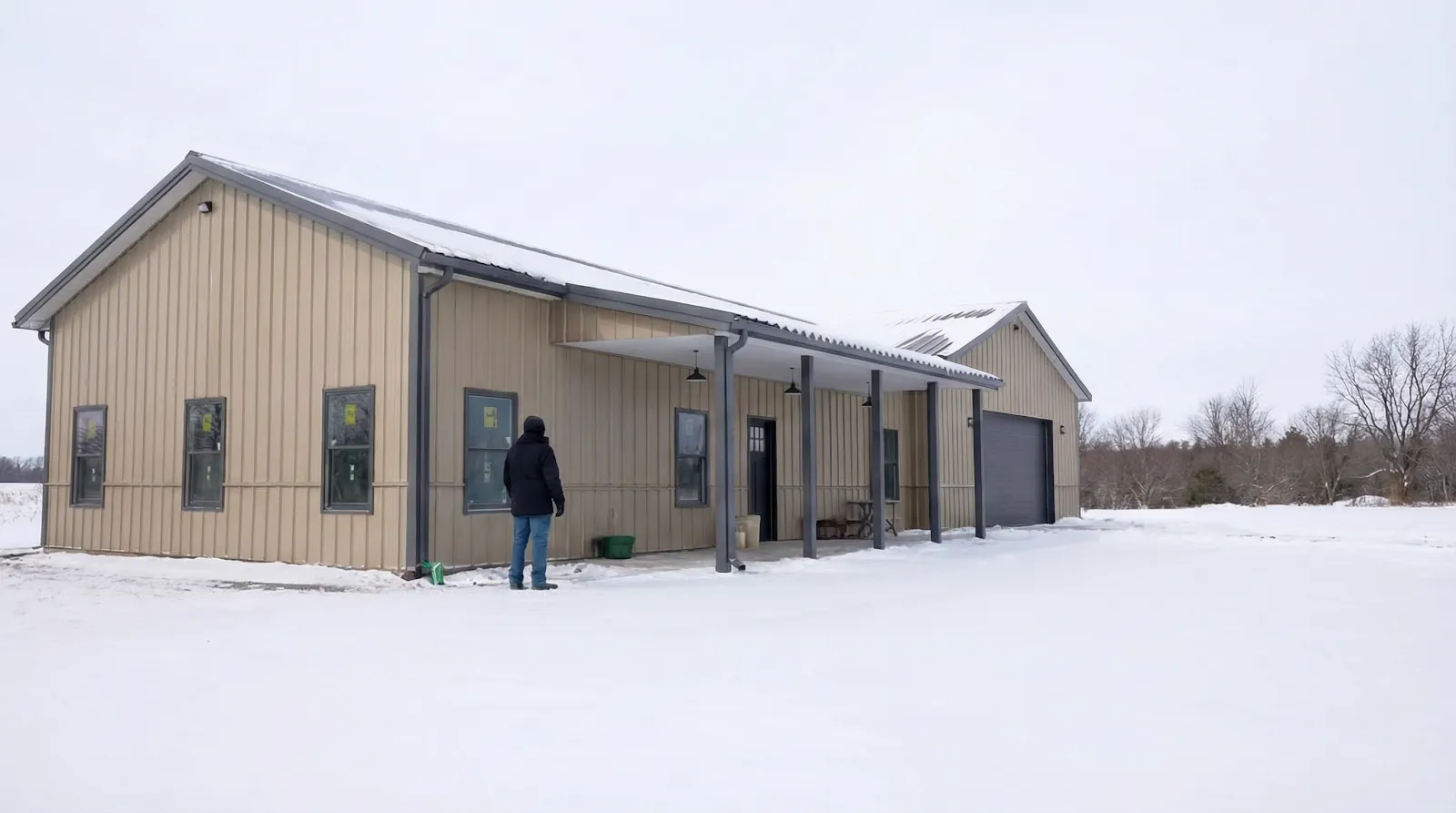
Projects such as the 60x80x16 ft steel building kit from Your Building Team exemplify how flexible and beneficial steel constructions can be in creating sustainable communities. These structures are designed to withstand harsh weather conditions while minimizing waste during construction.
Energy Efficiency and Steel Structures
Another critical component of sustainable community building is energy efficiency. Steel structures excel in energy conservation due to their intrinsic properties and the ability to incorporate modern insulation and ventilation systems. By utilizing thermal mass and efficient insulation solutions, steel buildings can regulate indoor temperatures better, reducing the need for excess heating and cooling.
Moreover, steel buildings can be paired with solar power systems or other renewable energy sources to dramatically cut down energy consumption. Therefore, communities built with steel structures not only support resource efficiency but also promote energy independence.
Community Planning and Green Spaces
Effective community planning is integral to sustainability. This involves not only the construction of individual buildings but also the layout of entire communities. Integrating green spaces, pedestrian paths, and communal areas enhances the quality of life and fosters a strong sense of community.
Green spaces are vital for sustainable communities because they contribute to carbon absorption and provide habitats for wildlife, promoting biodiversity. Additionally, these areas offer recreational opportunities and improve the mental well-being of residents. Building community-oriented spaces with sustainable materials, such as those offered by Your Building Team, ensures that they are both functional and environmentally friendly.
Challenges and Opportunities in Sustainable Building
While there are countless benefits to sustainable community building, there are also challenges. These include higher initial costs, the need for innovative technology integration, and regulatory hurdles. However, the long-term benefits far outweigh these short-term challenges. Investing in sustainability often results in reduced operational costs and increased property value over time.
Furthermore, advancements in technology and design offer new opportunities to create more efficient and sustainable building methods. Smart building technologies, recycled materials, and modular construction techniques continue to evolve, providing exciting avenues for sustainable development.
The Role of Partnerships and Collaboration
Building sustainable communities requires collaboration among architects, builders, policymakers, and residents. Companies like Your Building Team play a vital role in this ecosystem by offering specialized expertise and solutions tailored to sustainability goals.
Through partnerships, resources can be pooled, and expertise shared to overcome obstacles and drive innovation in sustainable building practices. Moreover, community engagement is crucial, as residents must be involved in planning to ensure that developments meet their needs and promote a sustainable way of living.
The Future of Sustainable Communities
As we look to the future, the drive towards greener, more efficient building techniques will continue to grow. The emphasis will be on creating net-zero buildings and communities that produce as much energy as they consume. Steel will remain a critical component in this journey due to its versatility and sustainable attributes.
Educational programs and incentives will further encourage the adoption of sustainable practices, ensuring that future developments are environmentally conscious and forward-thinking. By leveraging technology and materials such as the 60x80x16 ft Steel Building Kit, we can build communities that are adaptable, efficient, and eco-friendly.
Conclusion
The journey towards sustainable community building is a collaborative effort that demands innovation, responsibility, and a commitment to the future. By embracing sustainable materials like steel, incorporating energy-efficient designs, and fostering inclusive community planning, we can create communities that support both people and the planet.
The next generation of development professionals needs to remain vigilant and proactive, ensuring that sustainability is at the heart of every community-building endeavor. With the right partnerships and resources, including expertise from leaders like Your Building Team, sustainable communities will not only become a possibility but a reality.
In conclusion, sustainable community building isn’t just about constructing physical spaces; it’s about laying the groundwork for a brighter, greener future for all.