
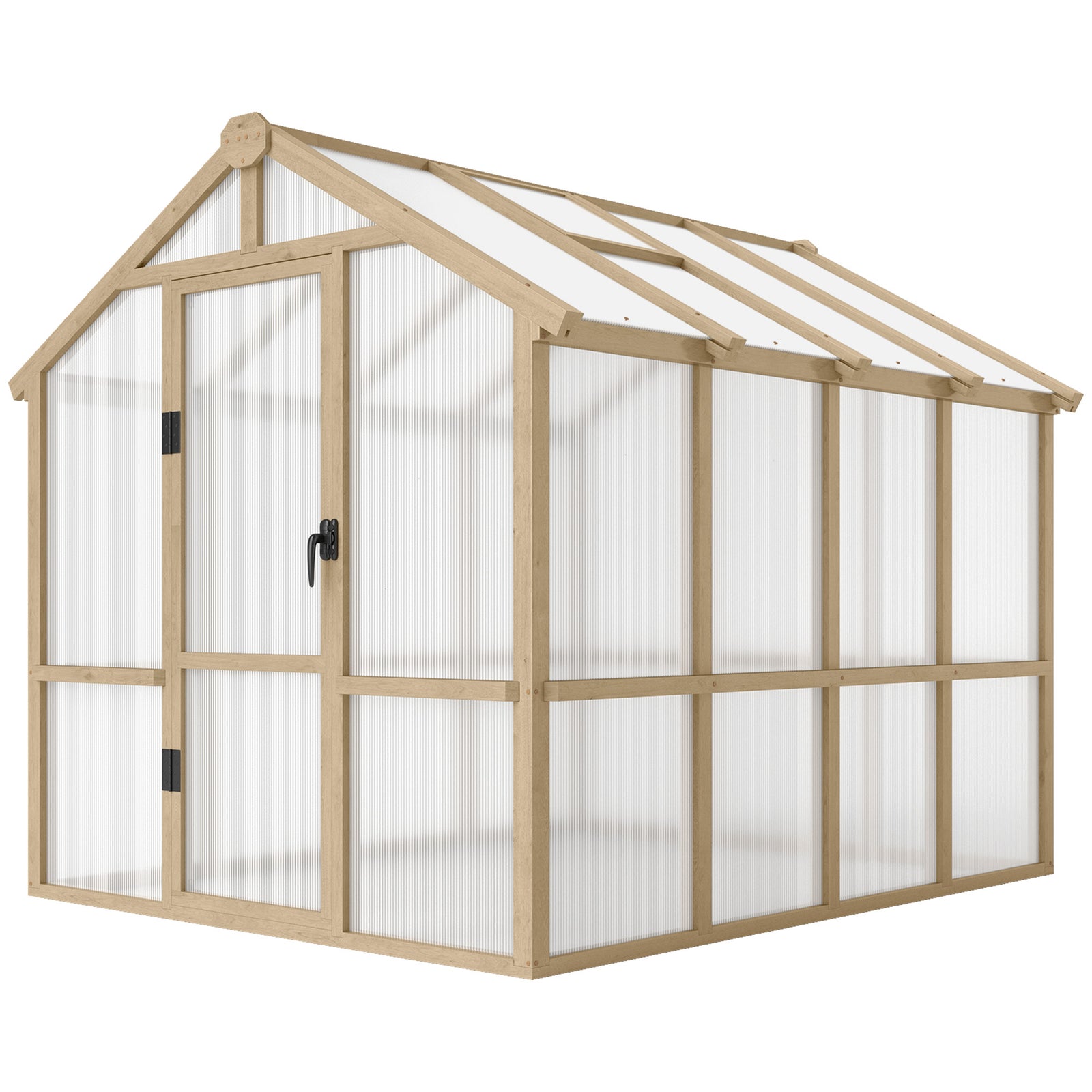
Home organization is not only an indoor problem. Garden tools, seasonal supplies, plant pots, hobby equipment, and everyday household items all compete for space. Shoppers who come across GreeHouse Wooden Storage Solutions may actually be considering a larger outdoor structure rather than a basic storage box. The linked LexxHomes product is a 6.6 x 8 ft polycarbonate wooden walk-in greenhouse kit with thickened panels, a roof vent, and a lockable door. Used thoughtfully, structures like this can support gardening while also making outdoor routines more organized.
Separate Growing Space From General Storage
A greenhouse should primarily serve plants and gardening activity. It may hold pots, hand tools, seed trays, and supplies used for growing, but it should not become a dumping ground for unrelated household items.
Create zones inside the structure. Keep frequently used tools near the entrance, planting materials together, and growing areas clear enough for air movement and access. Heavy or moisture-sensitive items may need a different storage location entirely.
This distinction helps the greenhouse remain useful instead of gradually turning into an overcrowded shed.
Measure Before Choosing an Outdoor Structure
Outdoor products can look smaller online than they do once installed. Before buying, mark the footprint on the ground using stakes, tape, or string. Check whether doors can open freely and whether there is enough room to walk around the structure for maintenance.
Also consider sunlight, drainage, wind exposure, and local rules. A greenhouse placed in deep shade will not serve the same purpose as one with appropriate light. Larger structures may also be subject to neighborhood, landlord, or local requirements, so those details should be checked before installation.
Bring the Same Logic Indoors
Indoor organization works best when storage is placed near the activity it supports. Kitchen tools belong close to food preparation. Cleaning supplies should be easy to reach where they are used while remaining safely stored. Office paperwork needs a system near the desk rather than across the house.
This is where people comparing the Best Modern Adjustable Shelves USA can think beyond appearance. Adjustable or flexible storage is useful because needs change. Shelf heights that work for small objects today may need to accommodate baskets, books, appliances, or larger containers later.
Use Open and Closed Storage Differently
Open storage makes frequently used items easy to reach, but it also puts everything on display. Closed cabinets reduce visual clutter but can encourage people to hide objects without organizing them.
A balanced home usually needs both. Display books, attractive kitchenware, plants, or décor on open shelves. Use closed storage for paperwork, backup supplies, cables, tools, and items with mismatched packaging.
Outdoors, the same principle applies. Keep daily gardening tools accessible while storing chemicals, sharp tools, or sensitive supplies according to their safety and storage instructions.
Avoid Buying Containers Before Decluttering
One of the most common organizing mistakes is purchasing baskets and bins before deciding what actually needs to stay. This often creates a more attractive version of the same clutter.
Sort first. Remove broken items, duplicates, and things that no longer belong in the space. Group what remains by use, then measure before buying containers or shelving.
This process is less exciting than shopping for organizers, but it produces better results because the storage solution is based on a real quantity of items rather than a guess.
Leave Room for Movement
A well-organized space should be easy to use. Narrow pathways, overloaded shelves, and crowded greenhouse benches make ordinary tasks harder.
Keep walkways clear and avoid storing heavy items above shoulder height. In outdoor structures, make sure ventilation openings remain unobstructed and that doors and locks work properly. Indoors, secure tall shelving when appropriate, especially in homes with children or pets.
Organization should improve safety as well as appearance.
Conclusion
The best storage system is the one people will actually maintain. If the door always drops gardening gloves, give them a hook or container there. If mail collects on the kitchen counter, create a small sorting point nearby.
Indoor and outdoor organization follow the same principle: make the easiest action the correct one. When storage is close to where items are used, there is less effort involved in putting things away. That simple shift can keep both living areas and gardening spaces functional long after the initial cleanup is finished.